How to Choose a THC Vape Cart: Complete Guide
1. Extract Type
The oil inside the cart is the foundation of the experience. Different extraction methods produce distinct viscosities, terpene retention, flavor, and effect profiles.
- Distillate: Highly refined, near-pure cannabinoid oil (often 80–95%+ THC). Viscosity is high; natural terpenes are largely removed and later re-added (cannabis-derived or botanical). It prioritizes potency and value, delivers consistent strength, and works well for everyday use or high-tolerance consumers. Flavor tends to be milder or more candy/fruit-oriented rather than true-to-strain.
- Live resin: Extracted from fresh-frozen flower using solvents, preserving a broader terpene and minor cannabinoid profile. Flavor is louder and more strain-accurate, effects feel fuller due to the entourage effect, and viscosity is medium. It suits users who want complexity over maximum THC percentage.
- Live rosin / solventless options: Made with ice water, heat, and pressure—no solvents. Cleanest flavor and purest expression of the plant, but often thicker, more expensive, and less common in standard carts.
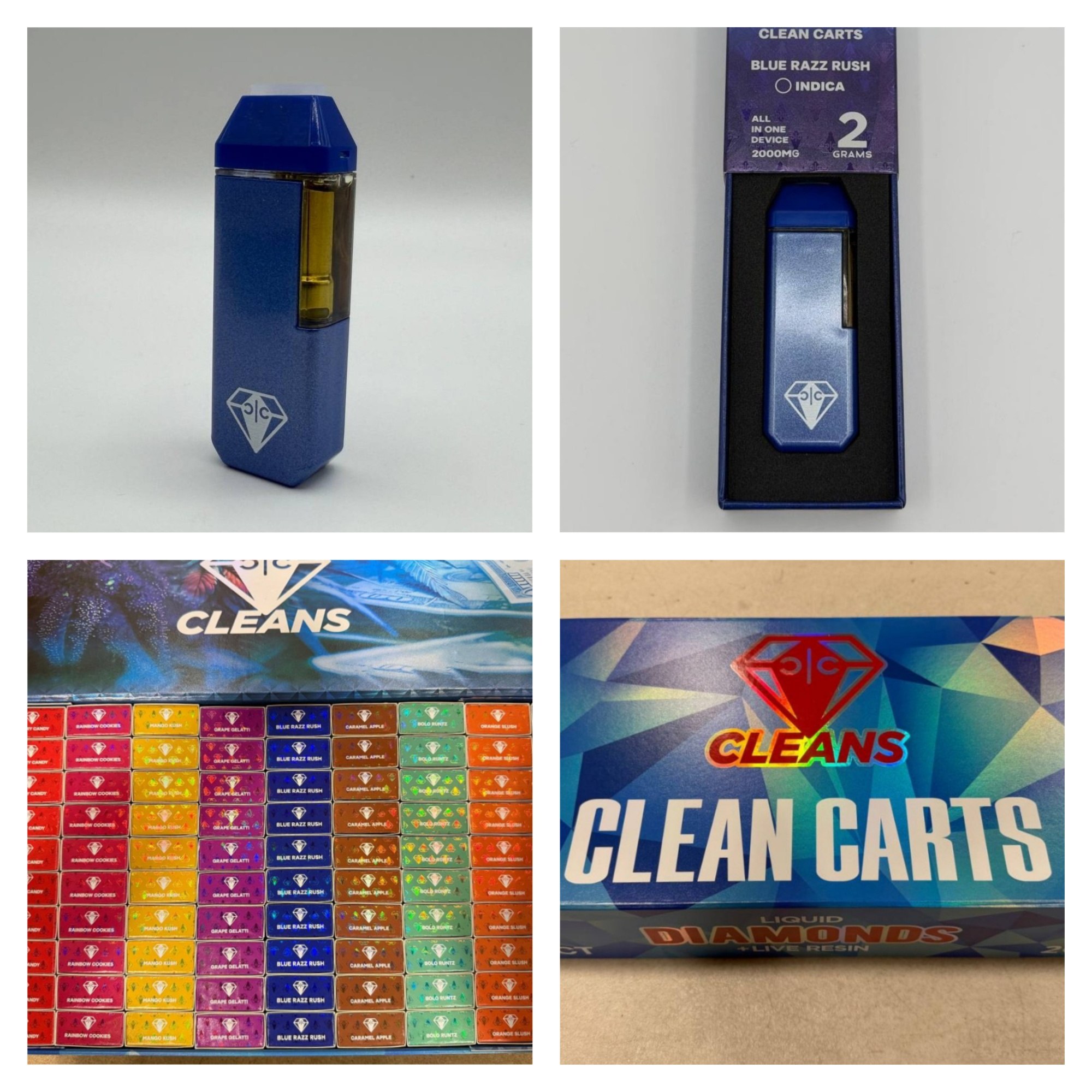
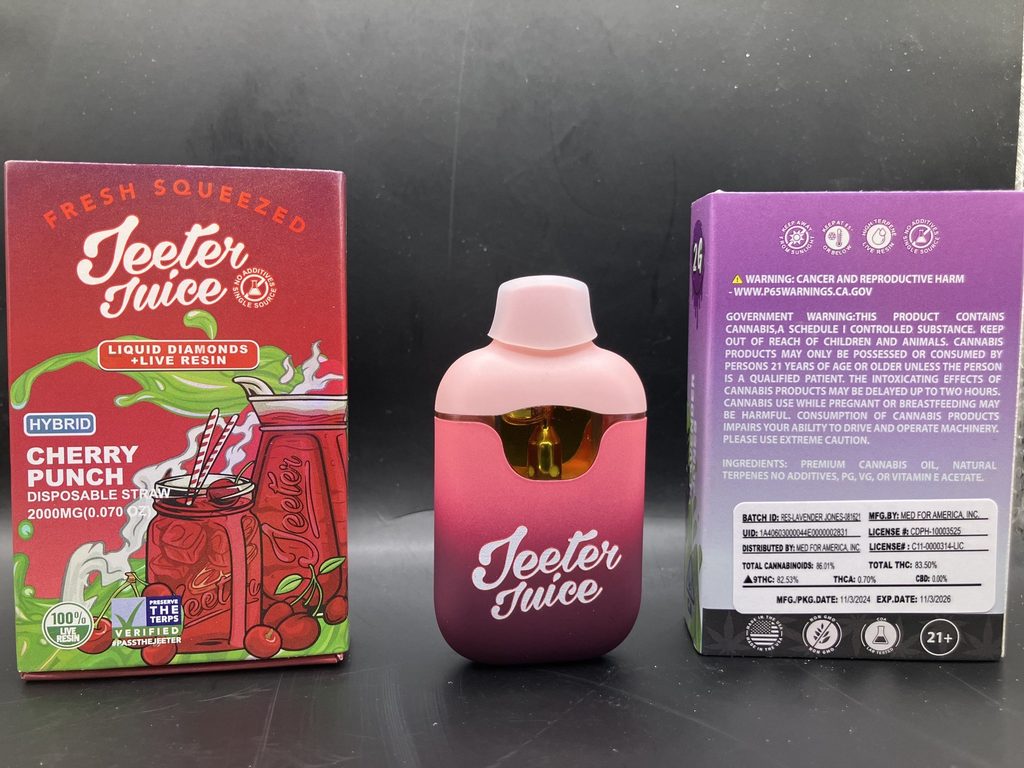
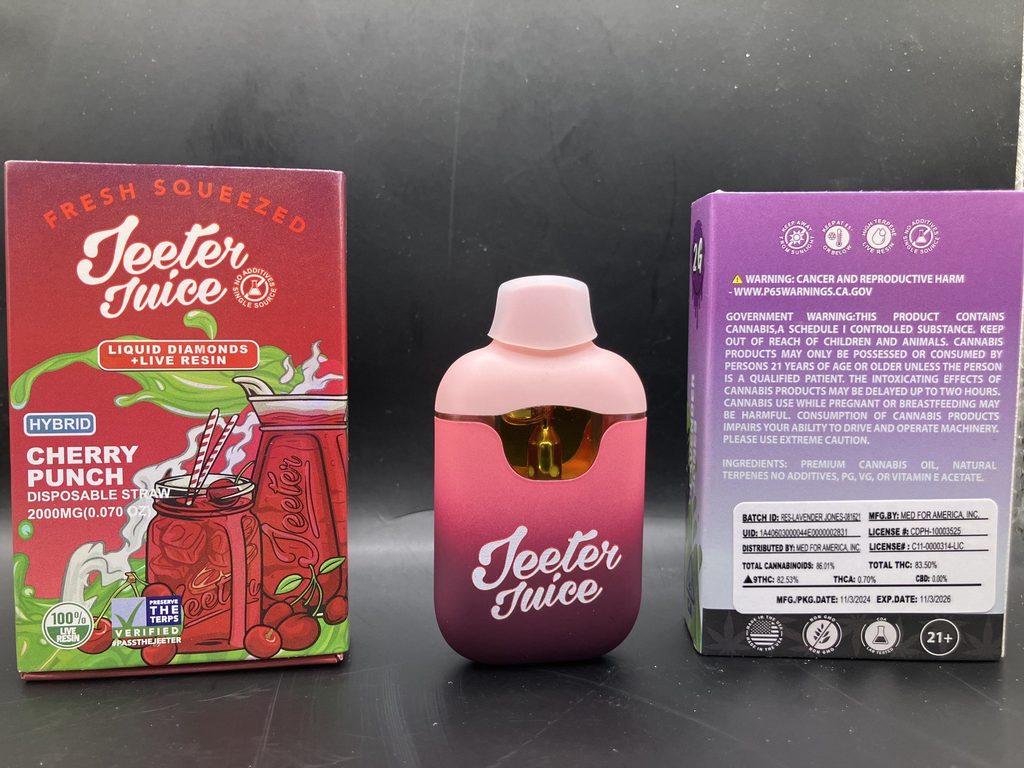
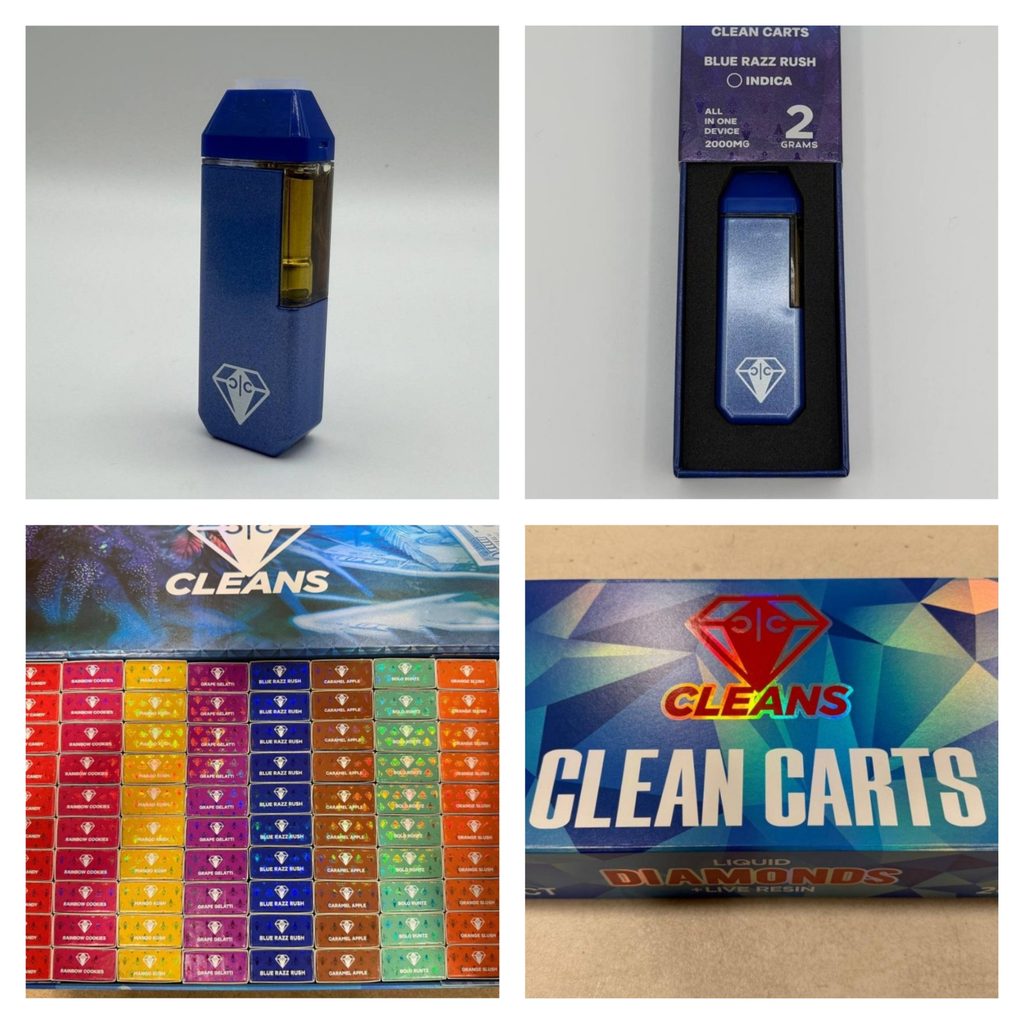
- Other formats (melted diamonds, HTFSE/HTE sauce, liquid diamonds + live resin blends): These combine high-potency crystalline THC with terpene-rich sauce for balanced strength and flavor. They appear frequently in modern 1 g and 2 g carts and disposables.
Buyer tip: Match extract to priority. Want pure strength and affordability? Distillate. Want taste and nuanced effects? Live resin or diamond + sauce blends. Check product descriptions for the exact process rather than relying on marketing terms alone.
2. Hardware Quality
Even excellent oil performs poorly in subpar hardware. The cartridge’s materials, coil, seals, and design control vaporization temperature, flavor preservation, leak resistance, and clogging risk.
Look for:
- Ceramic or porous ceramic (CCELL-style) coils for even heating and better flavor retention, especially with terpene-rich oils. Metal coils can create hot spots and scorched taste.
- Glass or high-quality ceramic chambers (borosilicate preferred) that resist leaching and keep the oil pure. Avoid cheap plastics that can interact with terpenes under heat.
- Proper aperture size and wicking matched to oil viscosity—thicker distillates need different designs than thinner live resins.
- Leak-resistant seals, sturdy mouthpieces, and reliable 510 threading (or well-engineered proprietary systems for disposables/pods).
- For separate carts: compatible variable-voltage 510 batteries (typically 2.4–3.7 V range). Lower voltages preserve terpenes; higher ones produce denser vapor but risk burning delicate oils.
Poor hardware leads to dry hits, clogging, uneven hits, or heavy-metal leaching into vapor. Quality hardware extends usable life and delivers cleaner vapor.
3. Strain
Strain (or cultivar) influences the terpene profile, which shapes aroma, flavor, and the qualitative feel of the effects beyond pure THC percentage.
- Indica-leaning strains often emphasize myrcene, linalool, or caryophyllene for heavier body effects.
- Sativa-leaning strains frequently feature limonene, pinene, or terpinolene for brighter, more uplifting profiles.
- Hybrids balance both.
Because distillate relies on added terpenes, the labeled strain may be more of a flavor cue than a full genetic expression. Live resin and sauce-based carts retain more of the original plant’s terpene spectrum, making the strain name a stronger predictor of experience. Review any available terpene percentages on lab results—myrcene above ~0.5–1 % often signals more sedating effects, while limonene supports citrusy, mood-lifting notes.
Choose based on desired effects and flavor preferences rather than hype names alone.
4. Potency
THC percentage (or total cannabinoids) indicates concentration, but it is not the sole measure of quality or strength of experience.
Typical ranges:
- Distillate carts: often 80–95 %+ THC.
- Live resin / diamond blends: frequently 70–90 % total cannabinoids with meaningful terpene content.
Higher numbers deliver more THC per puff, which suits experienced users, but terpenes and minor cannabinoids (CBG, CBN, CBC, etc.) modulate onset, duration, and character of effects. A 75 % live resin cart can feel more complete than a 92 % distillate with sparse terpenes. Start lower if new to carts or sensitive to intensity, and note that inhalation delivers rapid onset—titrate carefully.
Ignore inflated or vague claims; rely on verified numbers from lab results.
5. Lab Testing
Third-party Certificates of Analysis (COAs) are the most reliable safety and quality check. A complete COA for a vape cart should cover:
- Cannabinoid potency (Delta-9 THC, THCA, total THC, minors).
- Residual solvents (critical for solvent-extracted oils).
- Pesticides (broad panel).
- Heavy metals (especially important because hardware can contribute contaminants under heat).
- Microbial contaminants.
- Ideally, a terpene panel.
Verify the batch or lot number on the product matches the COA, the test date is recent, and the lab is independent. Absence of full-panel testing, mismatched batch numbers, or missing solvent/heavy-metal results are red flags.
How Best Coast Bud Simplifies the Decision
Best Coast Bud (bestcoastsbud.cc) positions itself as an online source focused on potent THC vape carts, disposables, and white-label options with an emphasis on transparent information. Product pages and menu listings typically include clear descriptions of extract types (distillate, live resin, melted diamonds, HTFSE/HTE sauce, full-spectrum blends), strain options, and potency details. The site highlights lab-tested products and verified THC data so shoppers can compare metrics directly rather than relying solely on packaging claims.
This level of detail—extract process, strain lists, potency labeling, and lab transparency—reduces guesswork across the five factors above. Whether selecting a basic distillate cart for strength and value or a live-resin/diamond blend for flavor and complexity, the available product information supports informed choices. Always cross-check current listings, confirm local legality, and review any linked or provided lab results for the specific batch.
Quick decision checklist:
- Decide extract priority (potency vs. flavor/complexity).
- Confirm ceramic/glass hardware and proper voltage compatibility.
- Match strain/terpene profile to desired effects and taste.
- Review verified potency in context of total cannabinoids and terpenes.
- Demand matching, full-panel third-party lab results.
Following these steps consistently yields safer, more satisfying carts.