Distillate and live resin vape carts differ mainly in how they’re made, which shapes their flavor, potency feel, price, and ideal uses. Distillate prioritizes refined, high-purity THC, while live resin prioritizes preserving the plant’s natural compounds for a fuller experience.
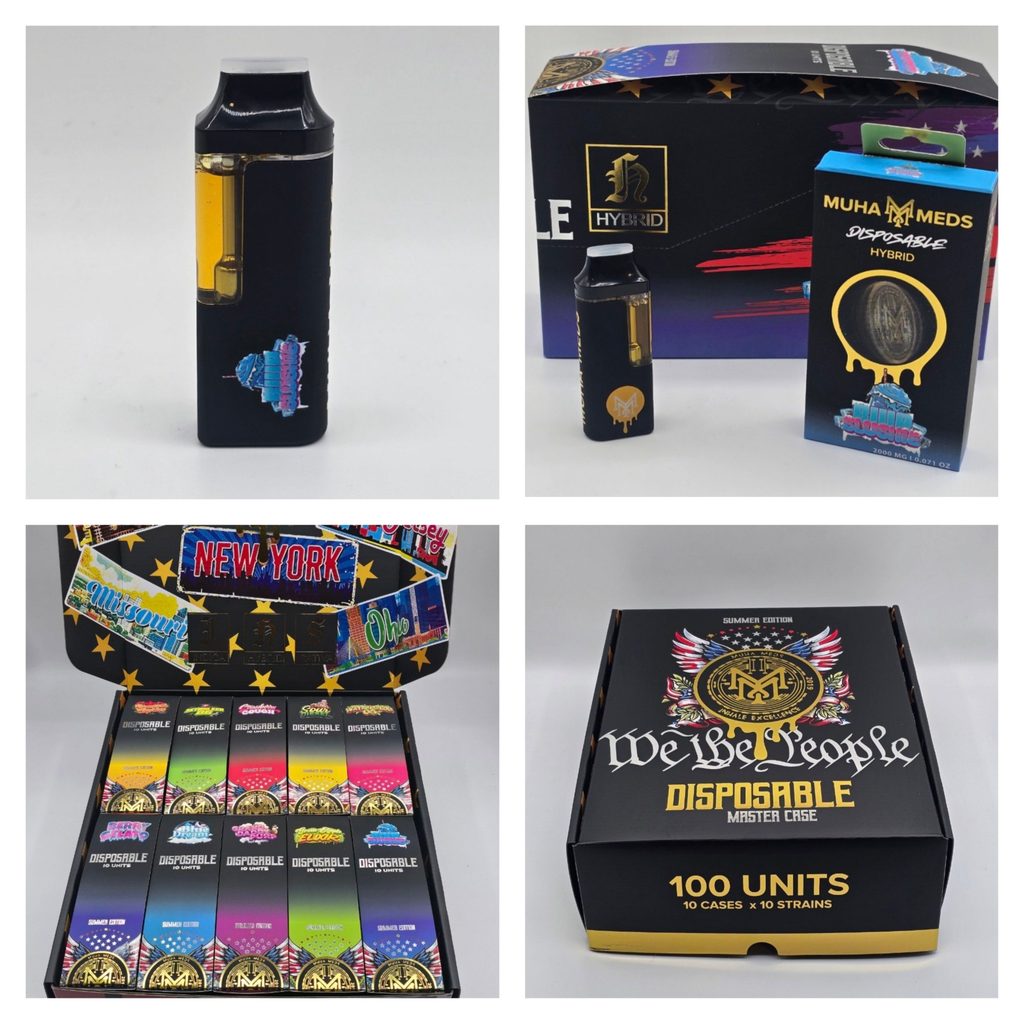
How They’re Made
Distillate starts with cannabis material (often dried or cured) that is extracted and then refined through distillation. This process isolates cannabinoids—usually THC—while stripping away most terpenes, flavonoids, and other plant compounds. The resulting clear or pale oil is nearly flavorless, so manufacturers typically reintroduce terpenes (botanical, cannabis-derived, or a blend) for taste and aroma.
Live resin begins with fresh cannabis that is flash-frozen immediately after harvest. It is then extracted at low temperatures (commonly with hydrocarbon solvents) to keep the plant’s original terpene profile and a broader range of cannabinoids intact. The oil is usually golden to amber and thicker.
Flavor
Flavor is the clearest difference. Live resin delivers richer, more authentic, strain-specific taste and aroma—citrus, pine, fuel, fruit, or herbal notes that closely match the original cultivar—because native terpenes are preserved. Many users describe it as closer to the experience of flower.
Distillate starts nearly neutral. Added terpenes can create pleasant flavors, but they often taste milder, more generic, or sometimes artificial/candy-like compared with live resin’s complexity. Distillate carts are generally less aromatic, which some people prefer for discretion.
Potency
On paper, distillate usually tests higher in THC—commonly in the 85–95% range—because most non-cannabinoid material has been removed. This can deliver a strong, straightforward, and consistent high with reliable dosing.
Live resin typically lands lower, often around 65–85% THC, because it retains terpenes and minor cannabinoids. Many users still report that live resin feels more layered, fuller, or satisfying due to the entourage effect (the interaction of THC with terpenes and other compounds). The high is often described as more nuanced and strain-like rather than purely intense.
Raw THC percentage does not equal overall experience—live resin can feel subjectively stronger or more complete despite lower numbers on the label.
Price
Distillate carts are usually more affordable. Production is higher-yield and less specialized, so they tend to cost less per cart or per milligram of THC.
Live resin costs more. Fresh-frozen starting material, lower yields, and the care required to preserve terpenes raise the price. The premium reflects the fuller sensory and experiential profile rather than just higher THC.
Best Use Cases
Choose distillate when you want:
- Maximum THC concentration and a strong, predictable effect
- Budget-friendly options or high volume use
- Consistency across batches and easier long-term storage
- Milder flavor or more discreet aroma
- Simple, functional daytime or high-tolerance sessions
Choose live resin when you want:
- Authentic, complex strain flavor and aroma
- A fuller, more rounded “entourage” experience that feels closer to flower
- Strain-specific effects and nuance over pure intensity
- A premium sensory session (even if it costs more)
- Lower-temperature vaping that highlights terpenes
Neither is inherently “better”—it depends on priorities. Distillate excels at potency and value; live resin excels at flavor and complexity.

Best Coast Bud carries both distillate and live resin vape carts and provides transparent lab data, so customers can directly compare potency, terpene content, and other metrics and choose based on personal preferences rather than marketing claims alone. Checking those results helps match the cart to what matters most for any given session.
Leave a Reply