Vape cartridges have come a long way from the thin, additive-heavy oils of a few years ago.
Today, one of the fastest-growing categories is the “dab-style” or concentrate-forward cartridge — carts built to replicate the flavor, strength, and experience of dabbing live resin or rosin, but in a format you can carry in your pocket.
If you’ve noticed more brands marketing “sauce carts,” “live resin carts,” or “full spectrum” oils, this is the category they’re talking about.
Here’s a breakdown of what actually separates these from a standard distillate cart, and what to look for before you buy.
What Is a Concentrate-Forward Cart?
A standard distillate cartridge starts with cannabis oil that’s been refined down to nearly pure THC (or another isolated cannabinoid),
then typically reintroduces terpenes afterward — either cannabis-derived or botanically sourced — to restore flavor and aroma that processing stripped away.
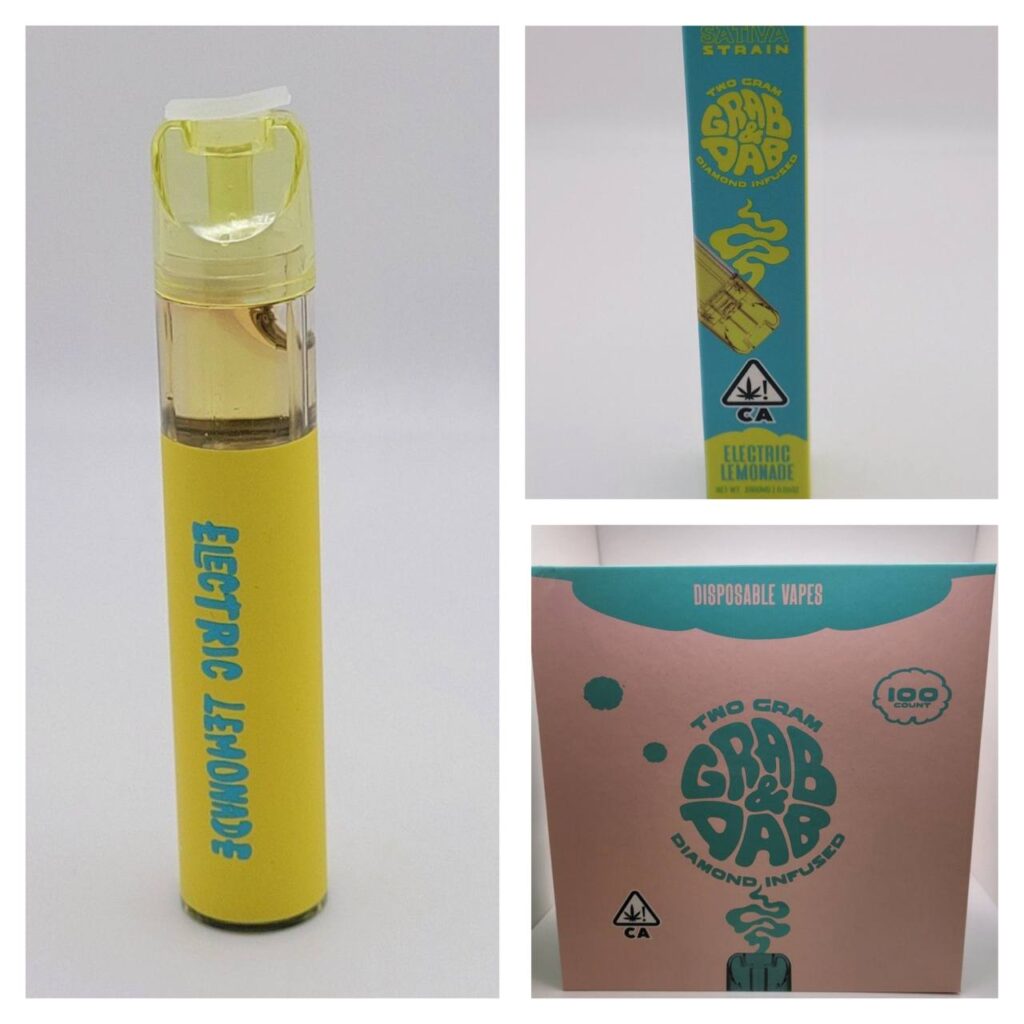
A concentrate-forward cart takes a different approach. Instead of isolating a single cannabinoid, the extraction process preserves more of the plant’s original chemical profile — cannabinoids, terpenes,
and sometimes minor compounds like flavonoids — much closer to how a dab of live resin or rosin would taste and hit off a rig. Common formats include:
Live resin carts — made from fresh-frozen cannabis flash-frozen at harvest to lock in volatile terpenes before they degrade
Live rosin carts — solventless, made using heat and pressure rather than chemical solvents
Sauce/HTFSE (high terpene full spectrum extract) carts — often blend terpene-rich “sauce” with a THCA diamond base for a hard-hitting, flavorful pull
Full spectrum/full melt carts — aim to retain the broadest possible range of the plant’s original compounds.
Key Differences From Distillate Carts
| Factor | Distillate Cart | Concentrate-Forward Cart |
| Extraction goal | Isolate and Purify THC | Preserve whole-plant compounds |
| Terpenes | Usually added back in post-processing | Naturally retained from the source material |
| Flavor | Can taste Muted or artificial | Closer to the strain’s true flavor profile |
| Effects | Often described as more one-dimensional | Entourage effect from minor cannabinoids/terpenes |
| Viscosity | Thin, clear, flows easily | Often thicker or sauce-like; may need better hardware |
| Price Point | Generally Lower | Generally higher due to processing complexity |
The trade-off is real: distillate is cheaper to produce and more stable/shelf-consistent, while concentrate-forward oil costs more but delivers a experience many consumers say feels closer to smoking flower or dabbing.
What to Look for in Potency
Potency numbers on concentrate-forward carts can be misleading if you don’t know what to check:
1.Total cannabinoid percentage, not just “THC” — Look at total THC (THCA + Delta-9 THC, converted), and check whether the brand also lists CBG, CBN, or CBC. A high total cannabinoid count with a diverse profile is often a better predictor of effect than raw THC% alone.
2. Terpene percentage — Reputable concentrate-forward brands will list total terpene content (often 3–8%+). Terpenes influence both flavor and the practical “feel” of the high (energizing vs. relaxing), so this number matters as much as THC.
3. A real Certificate of Analysis (COA) — Every batch should have third-party lab testing covering potency, pesticides, residual solvents, heavy metals, and microbials. If a brand can’t produce a batch-specific COA (not just a generic one), that’s a red flag.
4. Consistency between batches — Because concentrate-forward oil is closer to the raw plant, potency and flavor can vary more batch to batch than mass-produced distillate.
Look for brands that test and disclose numbers per batch rather than using one blanket figure across a whole product line.
What to Look for in Hardware
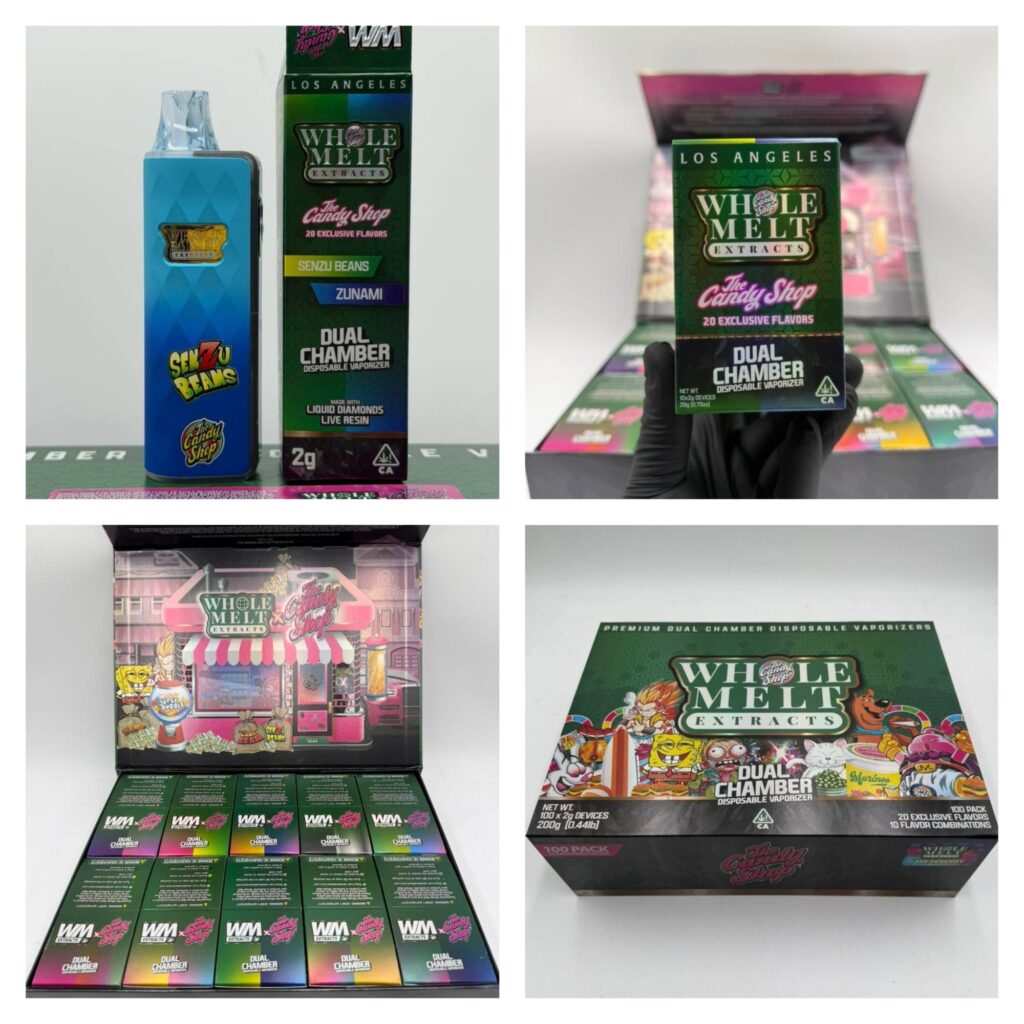
The oil matters, but so does the hardware carrying it — thicker, terpene-rich oil behaves differently than thin distillate, and cheap hardware will show it fast.
. Ceramic coils over cotton wick — Ceramic heats more evenly and handles viscous, sauce-like oil better without burning it.
. Airflow design — Concentrate-forward oil can clog thin airflow paths. Look for carts explicitly designed with wider airways for thicker oil.
. 510-thread compatibility — Standard for most batteries, but confirm fit, especially with proprietary all-in-one pens.
. Voltage-adjustable batteries — Because these oils are more viscous, a lower, steadier voltage setting (around 2.5–3.2V) usually preserves flavor better than high-heat settings, which can scorch delicate terpenes.
. No cutting agents — Check that the hardware and oil formulation don’t rely on thinning agents like PG, PEG, or vitamin E acetate, all of which have raised health concerns when heated and inhaled.
Putting It Together
If you’re comparing options, a useful mental checklist looks like this:
Does it disclose total cannabinoids and terpene percentage?
.Is there a batch-specific, third-party COA available?
.Is the hardware ceramic-coil, wide-airflow, and 510-compatible?
I.s the oil free of cutting agents and additives?
Brands that check all four boxes tend to deliver a more authentic, dab-like experience — and are worth the higher price point compared to bargain-bin distillate carts.

For shoppers who want that concentrate-forward experience without having to comparison-shop every lab report themselves, Best Coast Bud is worth a look.
Their vape cart lineup leans into high-potency, lab-tested formulations, with batch-specific testing available for each product — making it a solid trusted option whether you’re switching from distillate for the first time or rounding out a rotation with something a little more full-spectrum.
Leave a Reply